In regions where earthquakes are a common occurrence, the need for seismic braces has never been more critical. These innovative devices are designed to protect structures from the devastating effects of seismic activity by increasing their resistance to lateral forces. By strategically placing seismic braces throughout a building, engineers can significantly reduce the risk of damage and collapse during an earthquake.
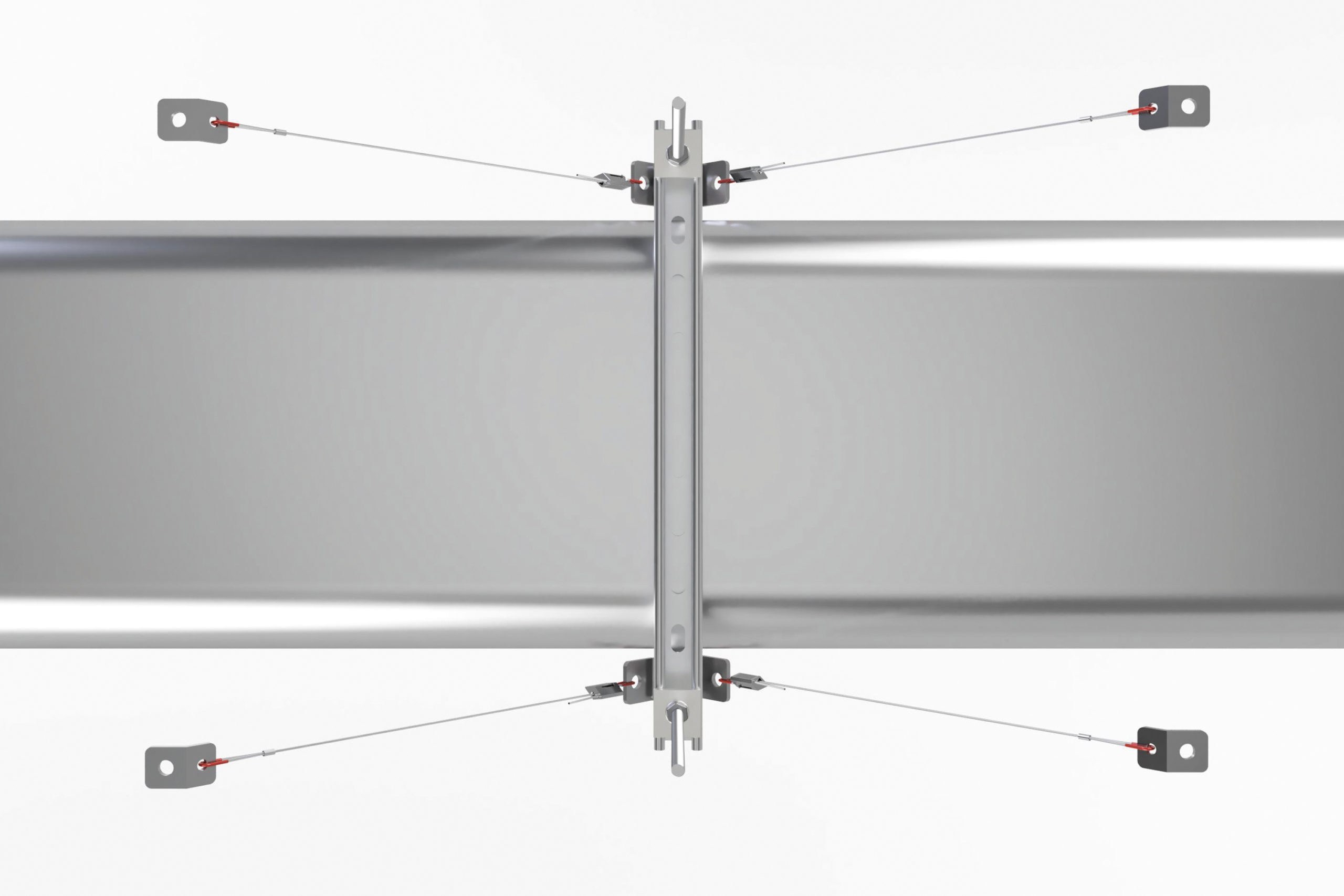
One of the primary functions of seismic braces is to provide additional support to key structural components, such as beams and columns, that are most vulnerable to lateral forces. When an earthquake occurs, the ground begins to shake, causing the building to sway back and forth. Without the proper support, this movement can cause these structural elements to buckle or fail, leading to catastrophic consequences. However, seismic braces are able to absorb much of this lateral movement, dispersing the forces evenly throughout the structure and preventing any one component from bearing the brunt of the impact.
Another benefit of seismic braces is their ability to improve the overall stability of a building. By connecting different structural elements together, these braces create a continuous load path that helps to distribute seismic forces more effectively. This interconnected network of braces and beams helps to prevent torsional forces from twisting the building out of shape, ensuring that it remains intact and upright even under the most severe shaking.
In addition to protecting the structural integrity of a building, seismic braces also play a crucial role in safeguarding the lives of its occupants. By reducing the risk of collapse, these devices provide valuable time for people to evacuate safely during an earthquake. Without the protection of seismic braces, the damage caused by a major seismic event could be catastrophic, leading to loss of life and widespread devastation.
The installation of seismic braces is not only beneficial for new construction projects but can also be retrofitted onto existing buildings to improve their seismic performance. In fact, many countries with high seismic activity have implemented mandatory retrofitting programs to ensure that older structures are brought up to current seismic standards. By adding seismic braces to these buildings, engineers can significantly enhance their ability to withstand earthquakes and protect the occupants inside.
When it comes to designing a seismic brace system, engineers must consider a variety of factors, including the location and magnitude of potential seismic activity, the type of building being constructed, and the specific structural requirements of the project. By carefully analyzing these factors, engineers can determine the most appropriate type and placement of seismic braces to maximize their effectiveness.
There are several different types of seismic braces available, each with its own unique set of advantages and disadvantages. One common type is the X-brace, which consists of two diagonal steel members that form an X shape. This design is particularly effective at resisting lateral forces and is often used in buildings with large open spaces or irregular shapes.
Another popular type of seismic brace is the eccentric brace, which features an off-center connection that allows for greater flexibility in absorbing seismic forces. This design is commonly used in buildings with complex structural designs or tight space constraints. Additionally, buckling-restrained braces are another type of seismic brace that utilizes special sections of steel to prevent buckling under extreme loads.
Overall, seismic braces are an essential component of any earthquake-resistant building design. By incorporating these innovative devices into the structural framework of a building, engineers can significantly reduce the risk of damage and collapse during a seismic event. As the threat of earthquakes continues to loom large in many parts of the world, the importance of seismic braces in protecting structures and saving lives cannot be overstated.